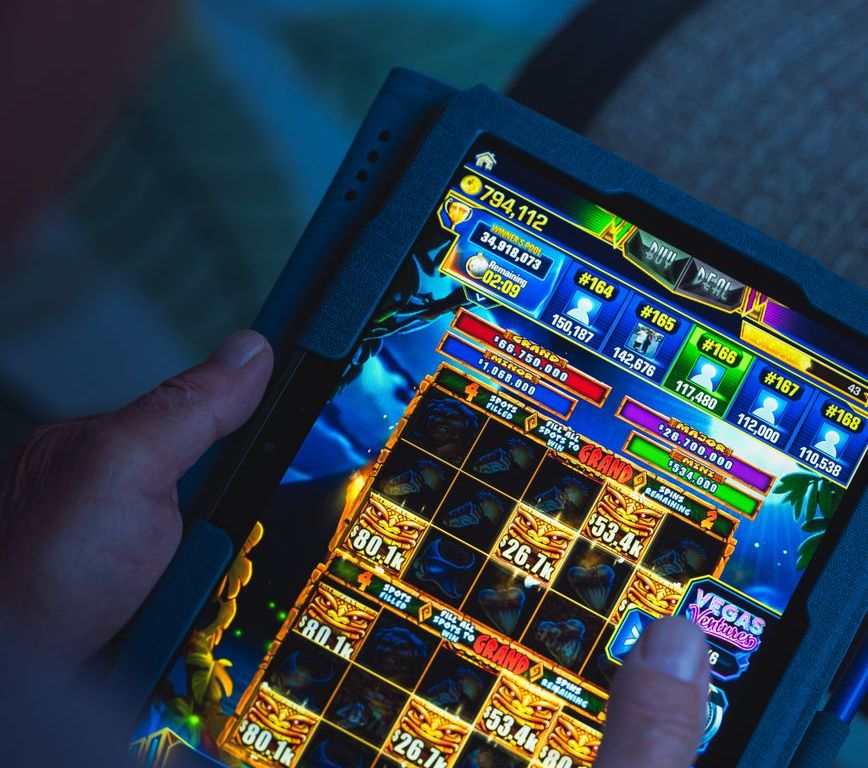
Over 70% of South African online gamblers claim to be in control of their gambling, yet a national study by Yazi has revealed the dark reality beneath the industry’s rapid growth.
The study was conducted using Yazi’s WhatsApp-based research platform and analysed 2569 participant voice notes, along with survey responses. This is reportedly one of the most detailed examinations of online gambling behaviour in South Africa to date.
“I had my last R200 for transport for the week and I decided to play slots and I lost all of it.”*
The Self Image Dilemma
This is a conclusion that Yazi has come to based on their findings. It’s a term that describes the contradiction where gamblers describe themselves as being in control and responsible, while simultaneously reporting behaviours commonly associated with gambling harm. Think widespread financial sacrifice, informal borrowing and loss-chasing behaviours.
The South African Gambling Impact Study (May 2026) aimed to understand the hidden human cost of online gambling. It made the following shocking discoveries:
- 57% of participants had sacrificed essentials such as rent, groceries, transport money, debt repayments or airtime to fund their gambling
- 59% admitted to chasing losses by placing another bet on the same day that they lost
- 28% were unaware that gambling operators offer limit-setting tools made to manage spending
- 29% borrowed money to gamble
- 5% of respondents said they could not stop gambling, despite trying to
- 26% spent over 10% of their monthly income on gambling
- 61% of respondents were women (Yazi notes that this finding challenges the assumption that online gambling is predominantly a male habit)

The contradiction between perception and reality
CEO of Yazi, Tim Treagus, says The Self Image Dilemma highlights the need to understand how South Africans are navigating risk, financial pressure and gambling behaviour. And when you look at the numbers, it goes beyond enjoyment and fun, people are in desperate situations – vulnerable.
“I am addicted to gambling. I think I need help.*
Wandile Sishi, Head if Insights at Yazi, says the human aspect behind the data cannot be ignored. “Traditional research tells you what people do. The voice notes helped us understand why they do it,” he adds.
“Last time I was playing with SASSA money. I lost all that money. I won’t forget that day. Too much pain.”* “I am addicted to gambling. I think I need help.”*
Treagus also says that the “real story” is not just about online gambling, but also the revelations that come when you “give people snspace to tell the truth”. And this is what Yazi managed to achieve by using far-reaching platforms like WhatsApp. By using such platforms coupled with AI-assisted interviewing and large-scale qualitative analysis, organisations can get deeper, richer insights without sacrificing speed or scale. Through this, we better understand human behaviour coupled with accuracy.
Yazi hopes their report will contribute to broader discussions among policymakers, regulators and civil society and researchers about the harsh realities of online gambling in the country. Not to mention the complex stories of South Africans that influence so much: financial stress, education, consumer behaviour, healthcare and social impact to name a few.
* Quotes from participants via WhatsApp voice notes.
If you find yourself in a difficult time, please seek assistance 🙏 The South African Responsible Gambling Foundation has 24-hour support – FREE. Reach them on 0800 006 008 or send them a WhatsApp 076 675 0710.
For the full report, graphs and participant feedback: https://drive.google.com/drive/folders/1l4CkMmMrP5UeqOhVwu7Vdar6S29OjDQx?usp=sharing
 GirlOnTheBus