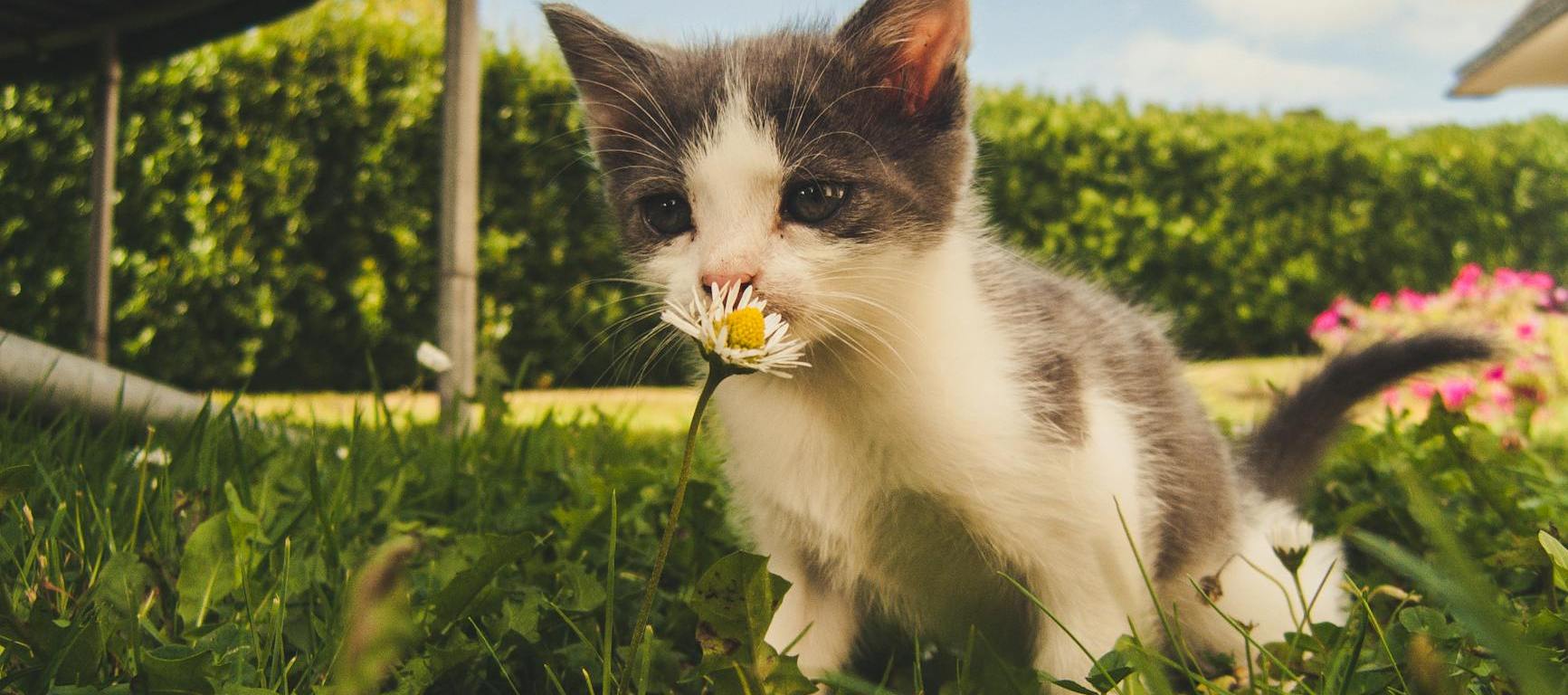
Summer in Cape Town has not been fun! The heatwaves we’ve experienced recently make it too hot – and too dangerous – to be out in the sun for too long. And I cannot help but worry about the cats and dogs and other furry friends who rely on us. My kitty has some pretty long and thick fur, and I do worry about her.
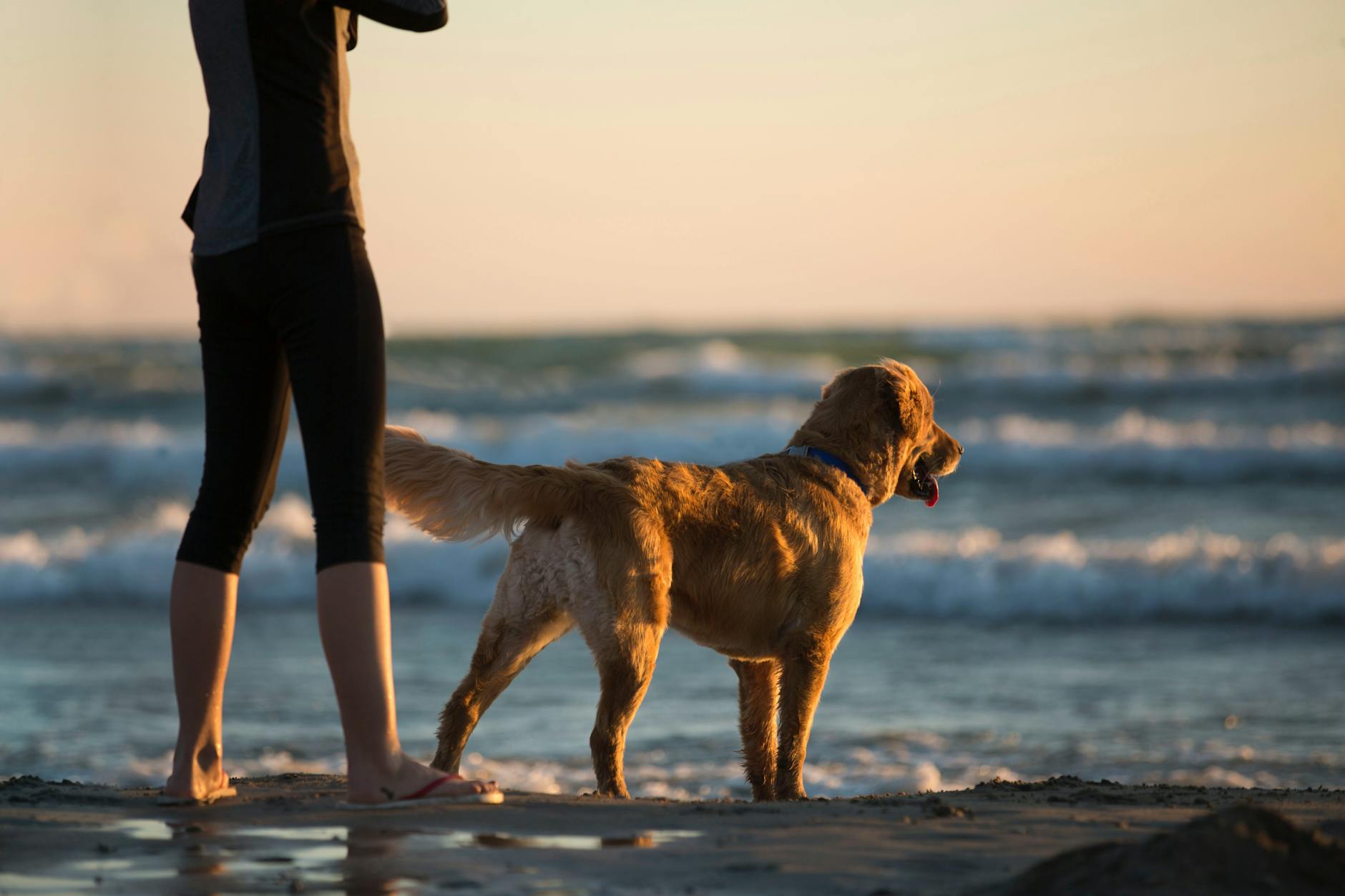
Just like us, many animals can also suffer from heat stress or heat stroke. But unlike us, cats and dogs cannot sweat it out. Instead, release heat through areas not covered in fur, mainly their paws.
Cats
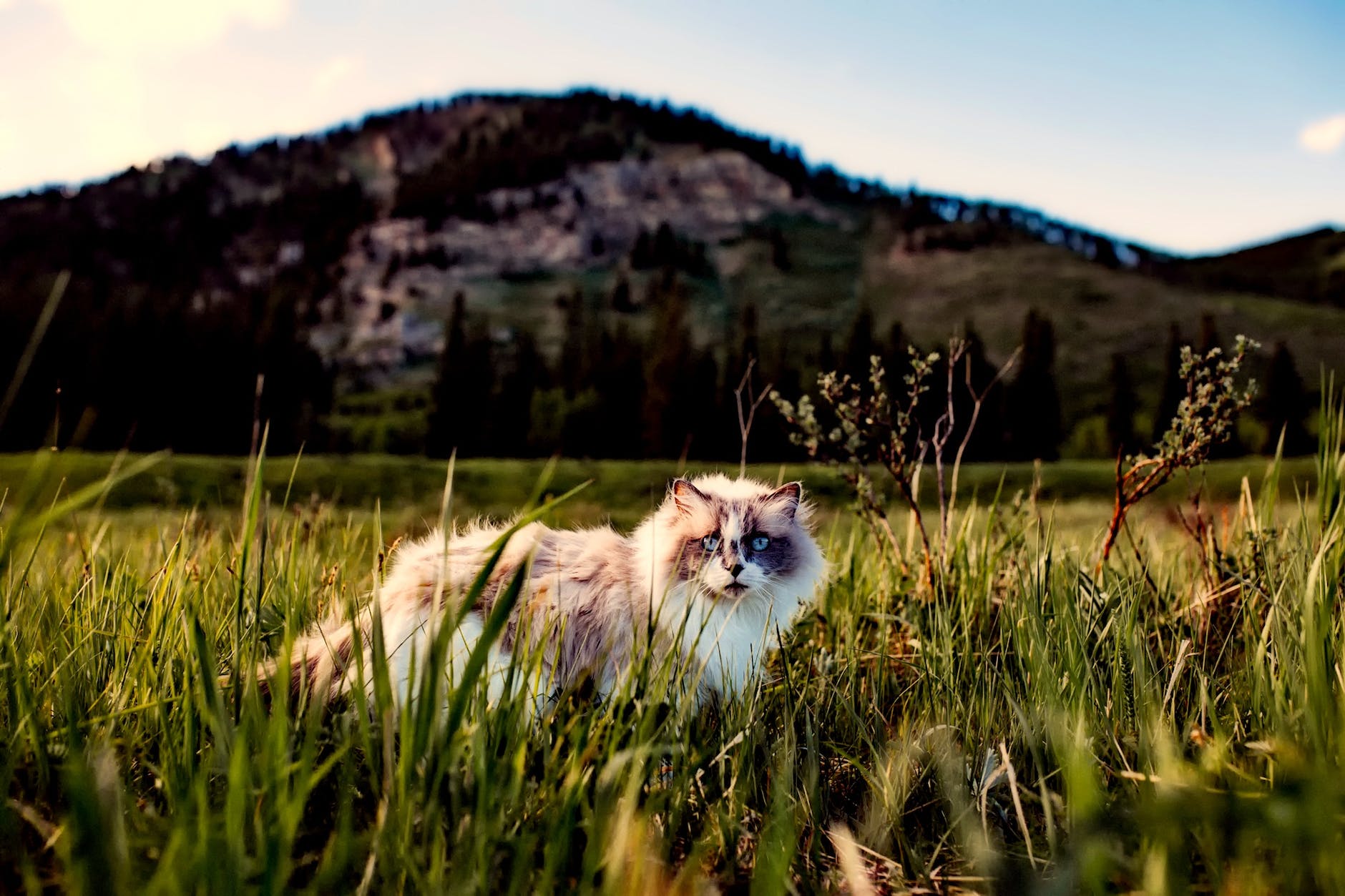
Cats can be pretty self-sufficient. By nature, they stay cool by laying in shady areas and limiting physical activity (nothing new here :P)
But we can help them:
- by placing a few water bowls in the backyard or in our homes.
- make a ‘cool water bottle’ by freezing a plastic bottle with water and wrapping it in a towel. Place this in their bed (or box) or where they like to nap.
- do not leave your cats in the garage or under a tin roof – it can quickly become too hot for them!
General heat-fighting tips
Experts say pets with longer or darker fur, and those with pushed-in faces (i.e. Persian cats or Pugs) may have trouble managing heat. Additionally, pets who are obese or have certain medical conditions are at a higher risk of heat stroke.
Keep these pets in an air-conditioned room or get a cooling mat!
Pets that are hairless, or have thin or white coats or light-pigmented noses and eyelids are especially at risk. Make sure to use a special sunscreen – specifically made – for your type of furry friend.
You might think an extra short shave is in order, but this is actually not recommended, especially for breeds with a double coat. This provides protection for your pet – including heat – so shaving will increase their risk for sunburn and heat stress.
NEVER leave your pet in a parked car – even for a few minutes – as temperatures on a hot day can quickly skyrocket to lethal levels. Even with the WINDOWS DOWN.
Dogs
Any dog (or cat) can become dehydrated, but old and really young pets are more at risk. Also, any dog or cat that is nursing a little is susceptible to dehydration.
- freeze their favourite toy in a bowl of water or make a meat pupsicle. This encourages your doggie to stay hydrated as they like their way to the ball or meat.
- consider going for walks early in the morning or later in the evening. The hot pavement can seriously burn their paws – think walking barefoot for 10 minutes on a scalding hot pavement!
- when going for walks, stick to grassy areas.
- Dogs regulate their temperature through their paws. If you suspect they are overheating, place a cold wet towel under their paws or wet them with ice water
These are the signs of burned paws:
- limping or avoiding walking
- paw pads darker in colour
- pads are visibly damaged
- redness or blisters
- licking or chewing feet

Is my pet suffering from the heat?
Here are key signs that your pet may be suffering from the heat:
- excessive panting or drooling (even when lying down)
- loss of appetite
- vomiting or diarrhea
- restlessness
- abnormal gum colour (bright red or pale)
- weakness or lethargy
- cats may also experience open-mouthed breathing
If you see the signs of heat stress:
- take your pet to a cool, shady area
- give them cool water to drink
- you can also apply cold towels over their neck and chest, or run cool hose water over them
If they are experiencing some of the more severe symptoms mentioned above – seek veterinary help immediately.
What about my hamster?
Caged animals can also be kept cool. Place their cages on tiled floors (like in a bathroom or empty bath).
Use a fan to provide adequate air circulation with a fan.
You can also put an ice pack, wrapped in a wet towel, above their cage or inside their cage. Keep in mind though that your pet may chew through the towel and swallow the threads – so ensure that they cannot reach it.
Always keep your pets’ water bowls cool and full this summer. Share this post with a cat or dog lover, or anyone who has a furry companion. The more we know, the more grow!
Love, Zahraa

